Overview
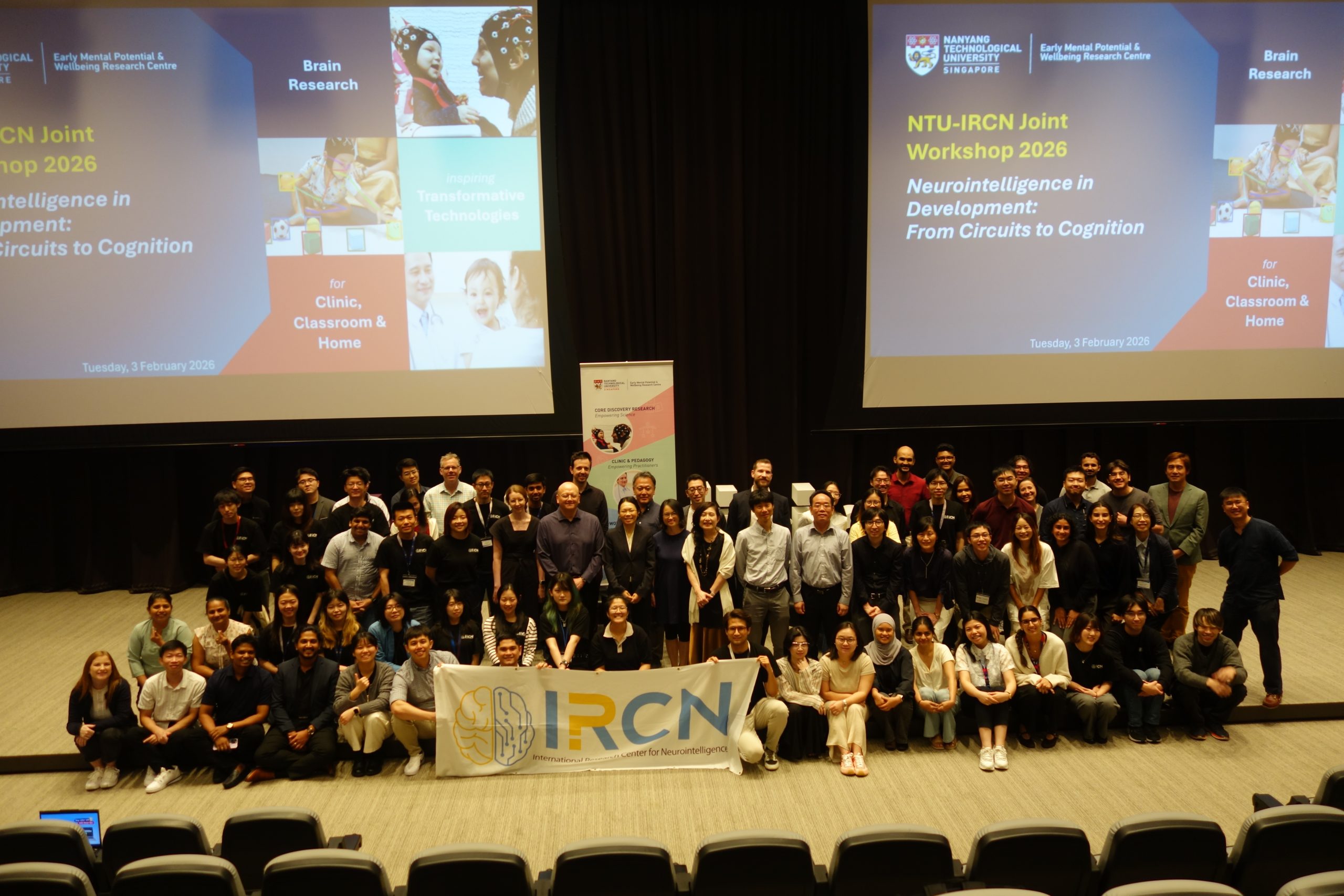
In early February 2026, WPI-IRCN held its third international joint symposium in Singapore in collaboration with the Early Mental Potential and Wellbeing Research Centre (EMPOWER) at Nanyang Technological University. The symposium also served as the kickoff symposium for the project on “Nurturing Brain Networks for Social Networks” (No. 25K24466), recently selected for support under the FY2025 JSPS KAKENHI Fund for the Promotion of Joint International Research (International Leading Research).
As a newly established research center of NTU, EMPOWER reflects the dynamism of the young institute and of Singapore, providing a productive setting for academic exchange. Over the three-day visit, a series of focused events and interactions facilitated the sharing of research insights, the refinement of common objectives, and closer alignment of institutional goals.
Laboratory Visits
After a refreshing opening session with researchers from NTU in the morning of the first day, the researchers from IRCN visited three of the core research centers of EMPOWER, including the Cognitive Neuroimaging Centre, the Visual Cognitive Neuroscience Lab, and the Robotics Research Centre. Directors and researchers of each lab arduously gave thorough introductions to the ongoing research of the lab as well as the prospective future directions to evoke potential collaborations.
Cognitive Neuroimaging Centre (CoNiC)
CoNiC is dedicated to advancing research in cognitive neuroscience and translating laboratory findings into clinical and educational applications. It houses a range of neuroimaging technologies and leverages these resources to conduct multimodal imaging studies. Given its central role in EMPOWER’s research on children’s mental and cognitive development, CoNiC places particular emphasis on designing and implementing child-friendly protocols to better prepare children for research procedures. One such approach, demonstrated during the visit, frames the research process as a space mission to explore a series of “planets,” completed collaboratively by participating children and researchers.
Visual Perception Lab
The Visual Perception Lab investigates the mechanisms underlying visual and motion perception. Current research focuses on face perception under multimodal contextual influences and on self-motion perception in driving. In the latter line of work, virtual reality simulations are incorporated into the experimental design to examine speed perception during driving and its interaction with navigation. Two IRCN researchers participated in a demonstration of the VR-based driving simulation system, illustrating the lab’s innovative experimental approach.
Robotics Research Centre (RRC)
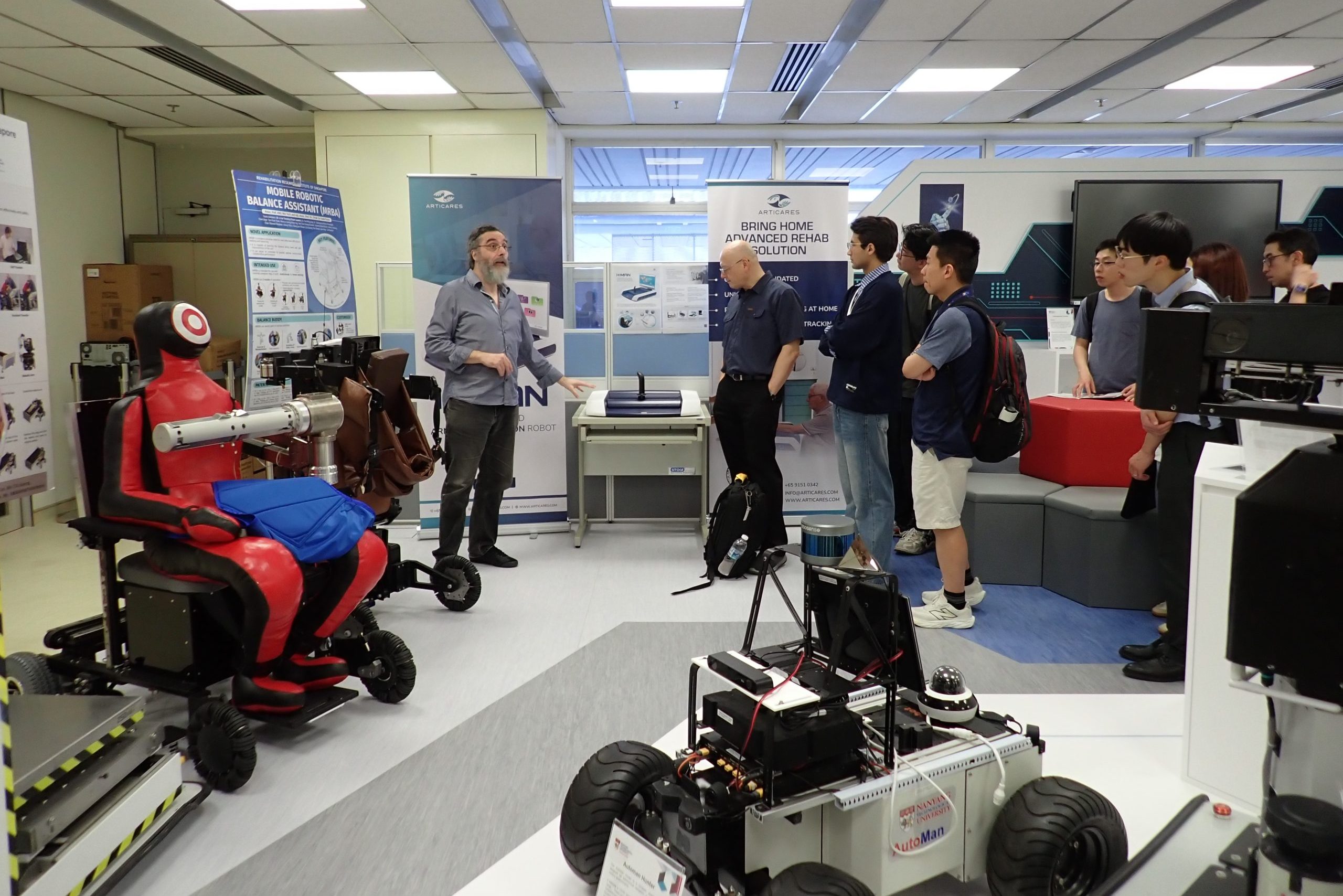
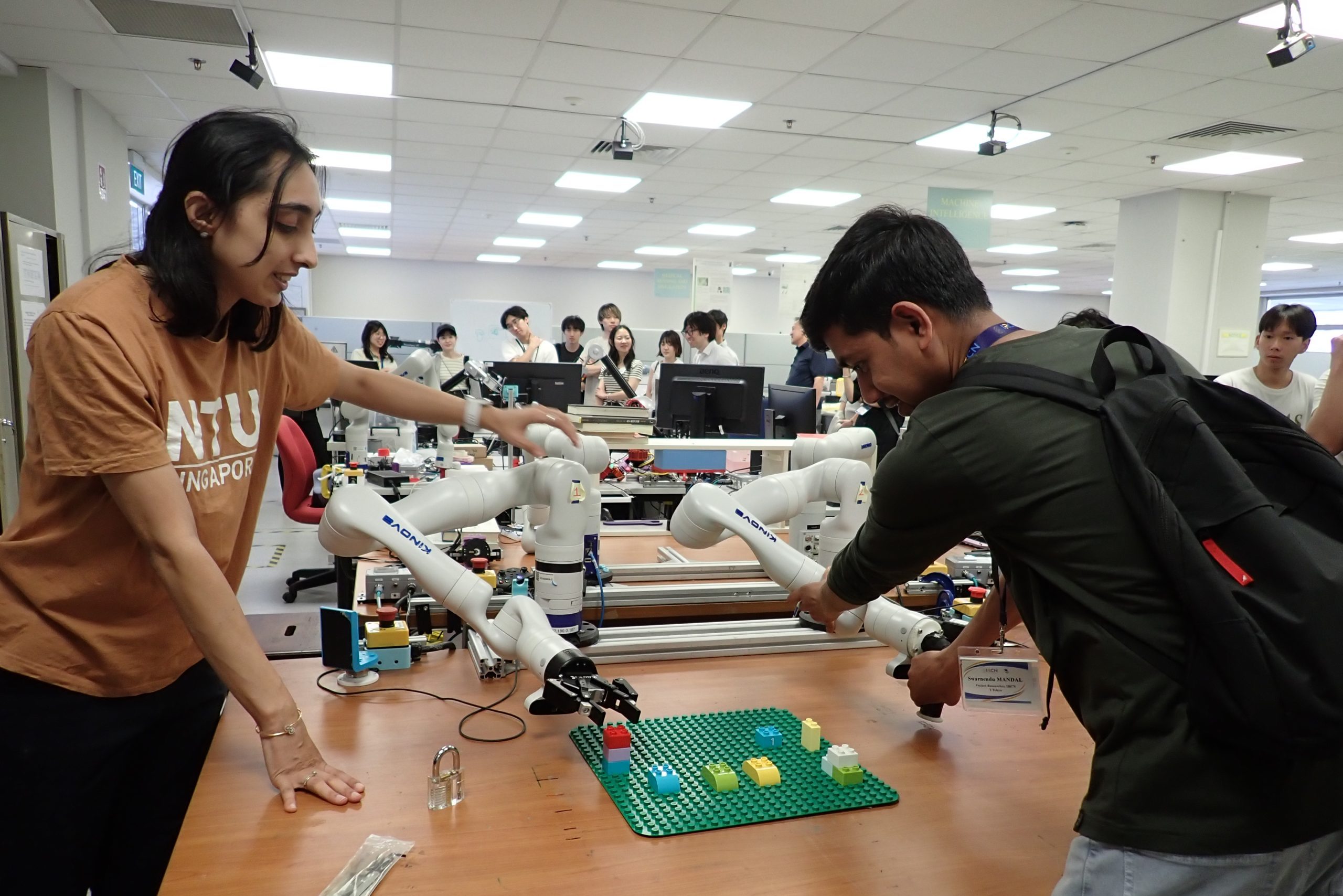
The Robotics Research Centre conducts advanced research across a broad spectrum of areas, including intelligent systems, human–robot interaction, and bio-inspired robotics. Among the most notable demonstrations during the lab visit was the Cyborg Insect Project, which draws on principles observed in natural insect behavior to develop biorobots capable of executing precise tasks in complex environments, particularly for search-and-rescue operations. The visit also provided direct exposure to several robotic platforms currently under development, such as assistive collaborative robots designed to support nursing care and rehabilitation, and robotic manipulators that enable remote collaboration within immersive virtual environments.
Symposium Talks
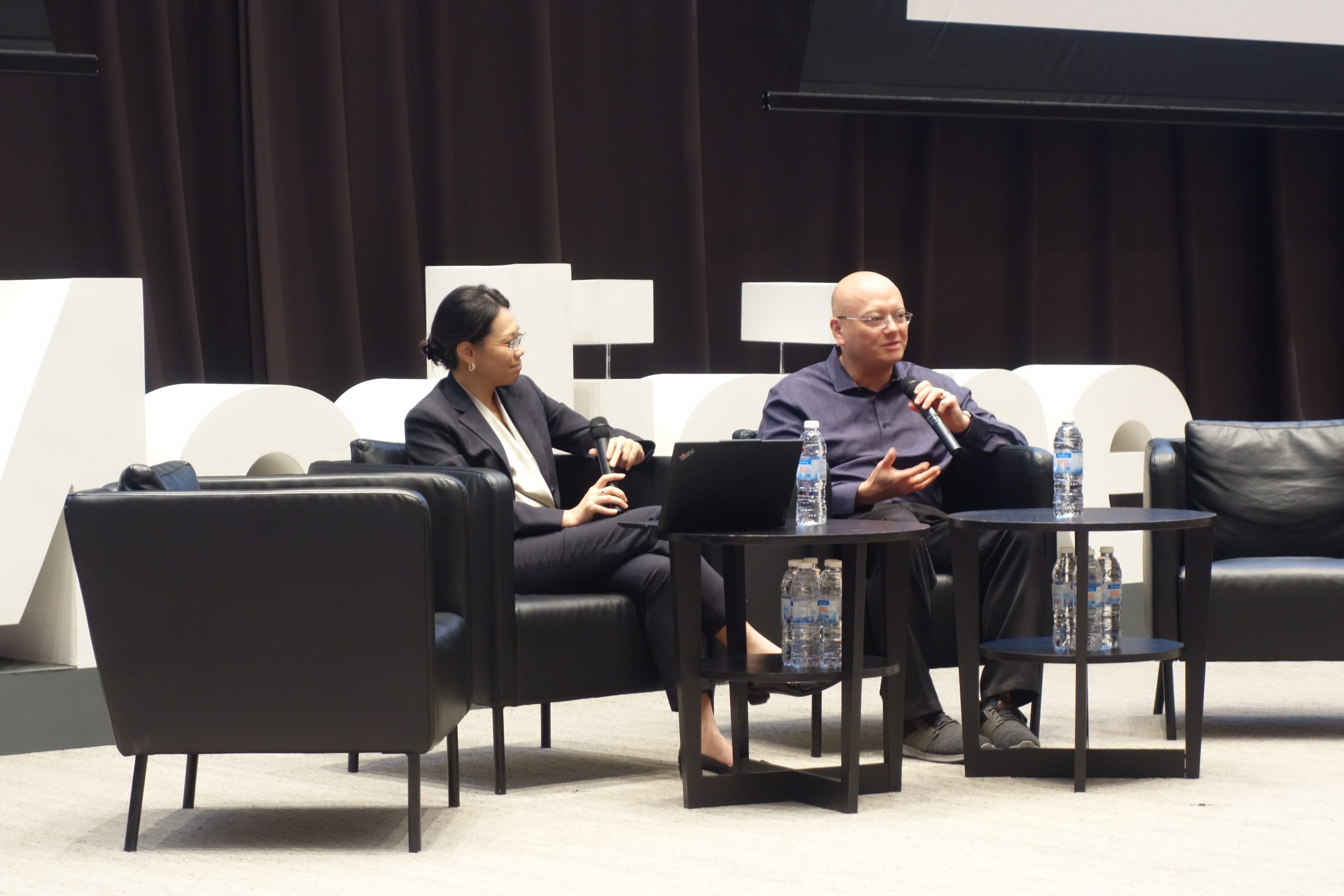
The symposium on the second day opened with introductory talks by the directors of IRCN and EMPOWER, Dr. Takao Hensch and Dr. Victoria Leong, who outlined the respective research agendas of the two institutes. Both institutes place strong emphasis on elucidating the fundamental mechanisms underlying development and the emergence of human intelligence, with particular focus on neurological and computational approaches. Four subsequent sessions, featuring senior researchers from both institutes, provided detailed accounts of ongoing projects that contribute to this shared agenda from complementary perspectives.
Presentations by NTU researchers highlighted projects that bridge laboratory research and real-world applications, with particular relevance to the Singapore context. Dr. Annabel Chen introduced her work on biliteracy and electrical stimulation, demonstrating distinct processing mechanisms across different language scripts. Dr. Hong Xu presented the driving simulation project, linking cognitive workload to moral judgment through multimodal behavioral and physiological measures. Dr. Ziwei Liu discussed the development of artificial intelligence from an egocentric perspective and its broad applications in both research and everyday contexts.
In contrast, talks by IRCN researchers were more oriented toward neuroimaging and computational approaches aimed at advancing theoretical frameworks. Dr. Takamitsu Watanabe (IRCN) presented his work on energy landscape analysis, a method designed to extract dynamic causal structures in neural activity without requiring time-locked psychological events. Dr. Kenichi Ohki (IRCN) focused on improving deep neural networks by incorporating signal and noise processing mechanisms observed in hierarchical neural circuits of primates. Dr. Kazuo Emoto (IRCN) examined how nutritional status, social experience, and emotion interact to influence brain function, with particular attention to the effects of chronic stress.
Several talks addressed overlapping themes from distinct angles. One such theme concerned the perception of self and others, encompassing emotion, agency, and social cognition. Dr. Yukie Nagai (IRCN) introduced a predictive processing framework that integrates multimodal physiological signals to predict emotional states. Dr. Aditya Nair examined aggression as a continuous internal state and discussed its neurobiological basis. Dr. Taro Toyoizumi (RIKEN CBS) proposed a Bayesian psychophysics model offering an integrated account of the sense of agency in both intentional and unintentional actions. Dr. Hiroshi Makino (Keio University) presented research on socially cooperative behavior, combining animal experiments with computational modeling.
Interaction and Networking
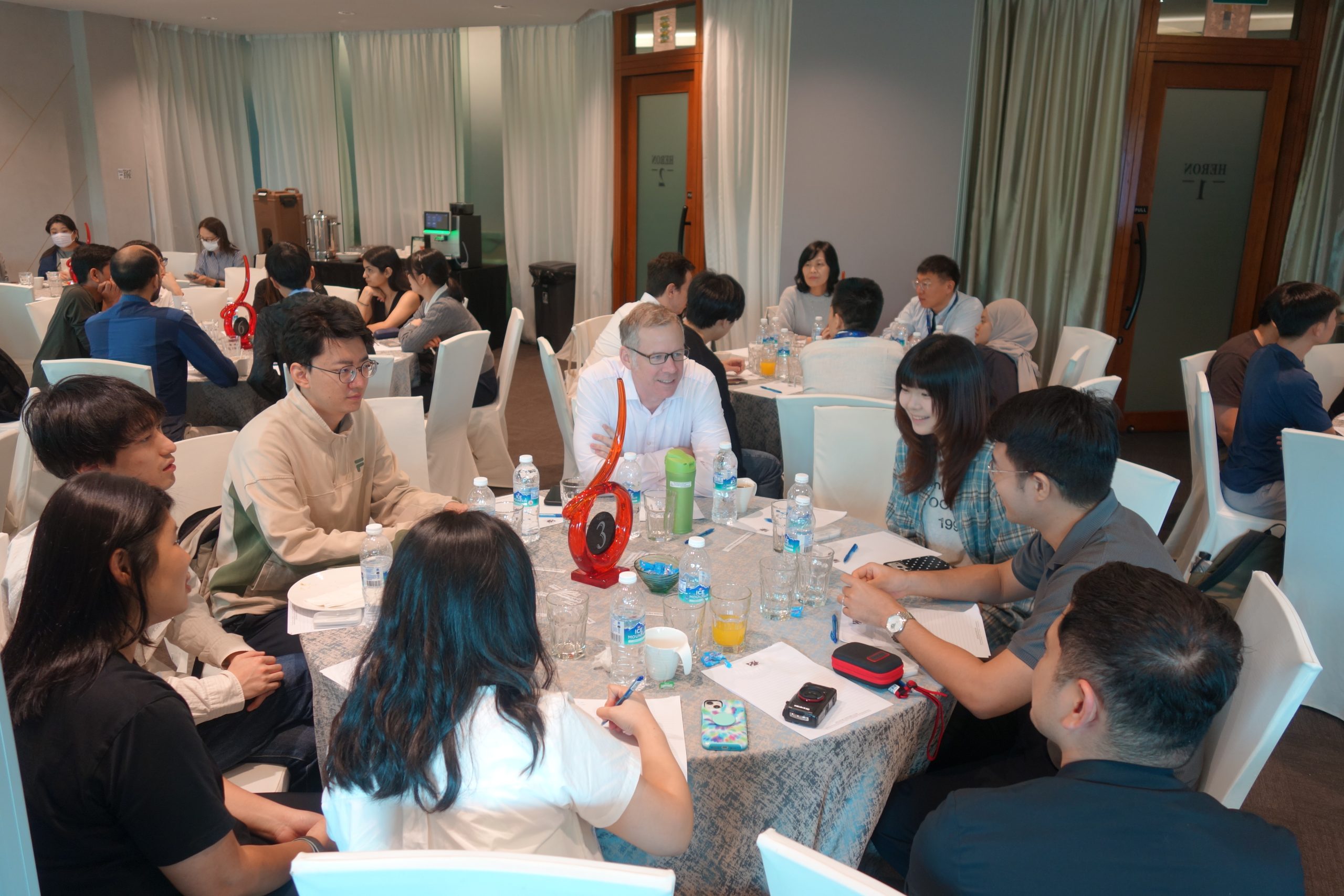
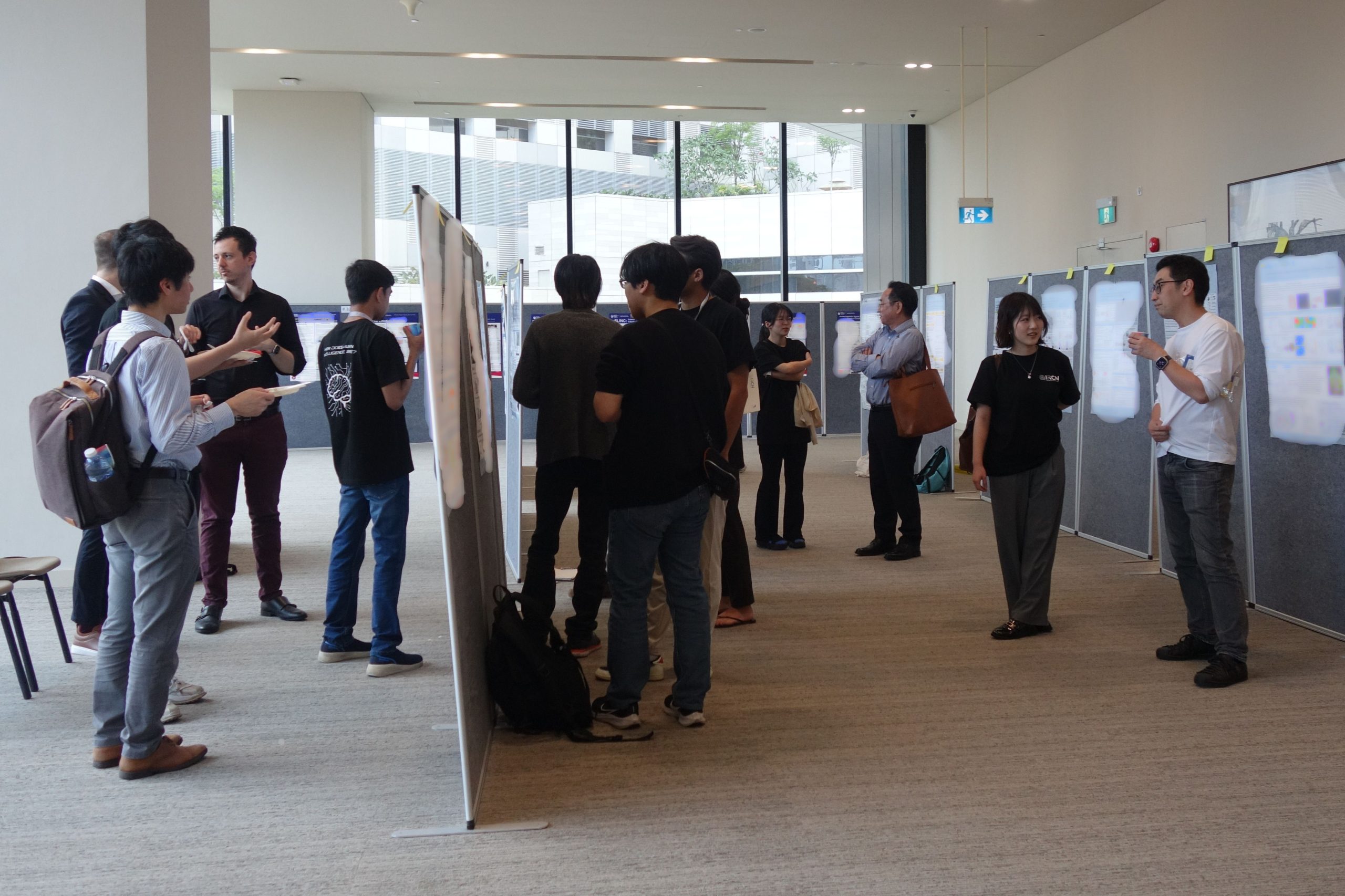
During the poster sessions, scientific booth demonstrations, and self-organized activities across the three days, researchers from both institutes engaged in substantive discussions on ongoing projects and future directions, fostering connections and potential collaborations. A notable highlight was the demonstration of EMPOWER’s PlayPod, an experimental platform designed to measure multimodal signals in child–caregiver interactions. Although currently implemented as a laboratory prototype, the PlayPod demonstrates strong potential for deployment beyond controlled settings, enabling the collection of richer real-world data while facilitating the translation of research findings to the broader community. Researchers from IRCN BabyLab introduced related implementations that focus more specifically on the mutual gaze during interactive teaching sessions. They exchanged ideas on how to further develop the setup while maximizing its feasibility for implementation beyond the laboratory across diverse social contexts.
Participants’ Reflections
This symposium provided a valuable opportunity for researchers from both institutions to share their latest research findings and for participants to deepen mutual exchange. It also enabled the Japanese team to gain valuable insights across a range of fields, including ways to build stronger connections between scientific research and broader societal applications, both by translating research outcomes into practical use and by encouraging public participation in research. By reaffirming the importance of Singapore’s research environment and international networks, and by deepening mutual understanding of each side’s research, the symposium became a meaningful initiative that is expected to further advance future joint research and academic exchange.
Acknowledgments
We would like to thank Dr. Victoria Leong, Dr. Annabel Chen, Dr. Hong Xu, Dr. Ziwei Liu, Dr. Aditya Nair, Dr. Domenico Campolo, and Dr. George-Rafael Domenikos, as well as all participating researchers and students from NTU, for organizing and hosting such a welcoming and inspiring symposium.
Authors
(in alphabetical order by surname)
Lianxiang Cui, Agnes Gao, Kyoei Kubo, Tingyu Li, Tzu-Ling Liu, Youtao Lu, Yuka Nakamura, Kenta Watanabe, Zhiyu Zhang